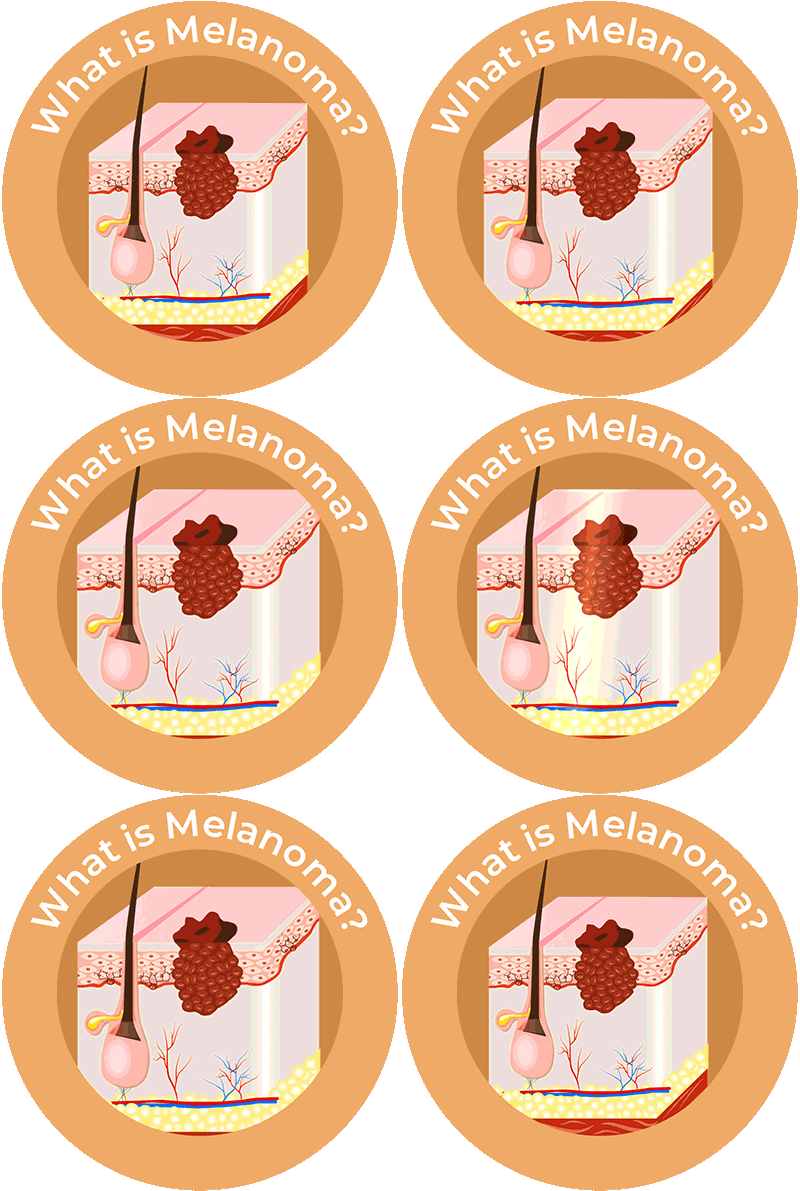
If early-stage melanoma is not detected in time or not treated correctly, it can progress to advanced or metastatic melanoma.1 Advanced melanoma occurs when melanoma spreads from a single site to multiple sites (for example, distant lymph nodes or other organs, including the lungs, liver, bones, and brain).
Melanoma is curable when found early. Thus, early detection is key to preventing advanced melanoma. To help with this, get a full body skin examination each year.2 You can lower your risk for melanoma by avoiding UV light, staying out of the sun between 10 AM and 4 PM, wearing sun protective clothing, applying sunscreen with a sun protection factor of 30 or more (apply before going out into sun and apply often), and examining your skin often.
A melanoma diagnosis can be very stressful.
- Ask your doctor what your diagnosis means and what treatments can be used to control the cancer and/or any symptoms or pain it is causing
- Ask your doctor what to expect and how soon you might need to seek help from friends, family, and/or a caregiver
- Ask for help from friends and family
- Join support groups in your area online
- Think about what is important to you and make plans around them. Planning can help you feel in control
- Visit the Resources section for more help
A diagnosis of advanced or metastatic melanoma means that your cancer has spread to distant parts of your body. Other doctors may need to help with your care depending on the amount and locations of the cancer and the symptoms you have. The best cancer care comes from a team of doctors and nurses who work together.
Your doctor will want to monitor you closely in case the cancer returns or a new one forms. Your doctor will schedule office visits and may order lab tests or imaging to look for any signs of cancer. They will tell you how often they want to see you. You may also be asked to perform skin and lymph node exams on yourself.

If your cancer has relapsed or is not responsive after treatment, you may be eligible to enroll in a clinical trial that is testing new drugs for your condition. Talk to your doctor about your eligibility to be a part of an ongoing clinical trial. Check out the status of various ongoing clinical trials in the Resources section.